Helpful Tips to Electronics Recycling Services
Eco-Friendly Approaches: How E-Waste Recycling Services Are Preserving Our Planet
E-waste poses significant threats to the environment, as discarded electronics often contain toxic materials. These toxic materials have the potential to taint soil and water sources, leading to broader ecological damage. Electronic waste recycling programs offer an effective remedy. They not only recover valuable resources but also mitigate pollution. Understanding how these services operate and their impact on communities is essential. The journey towards effective e-waste management raises critical questions about individual responsibility and collective action. What measures can be pursued from this point onward?
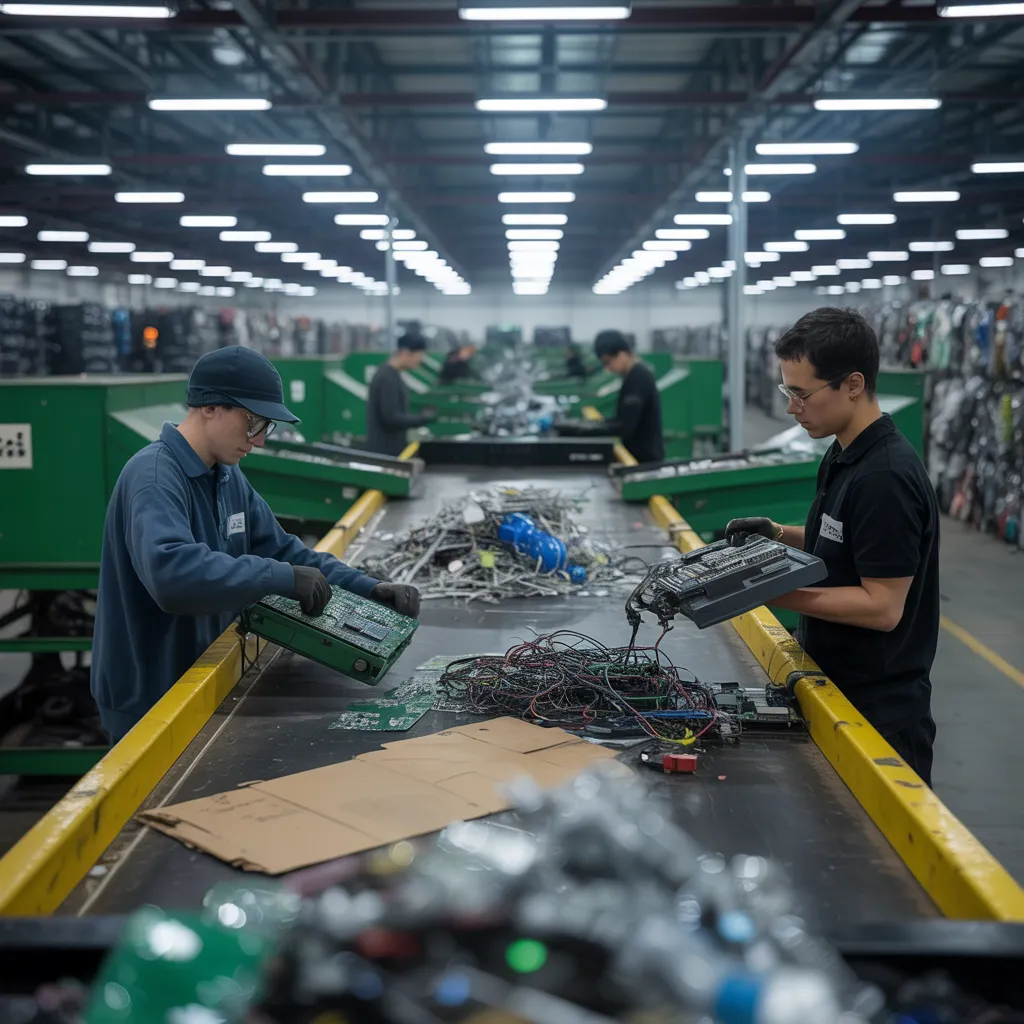
The Reasons E-Waste Is Damaging to the Planet
While technology enriches modern life, e-waste creates significant environmental threats. Abandoned electronic gadgets, often containing hazardous materials such as mercury, lead, and cadmium, are capable of seeping pollutants into the surrounding soil and water supply, creating hazards for human health and ecosystems. The swift progression of technology results in greater consumer replacement of electronic devices, intensifying the growing problem of e-waste.
Landfills, already overwhelmed with refuse, find it difficult to handle the increasing amounts of discarded devices. Incineration, a common waste management technique, emits dangerous pollutants into the environment, degrading atmospheric conditions. Moreover, poor recycling procedures can cause e-waste to be sent to developing regions, where employees may disassemble electronics without sufficient safety precautions, leaving them vulnerable to harmful substances. This pattern of negligence and mismanagement highlights the critical demand for eco-friendly recycling alternatives that can reduce the damaging impact of electronic waste on the environment.
What Is E-Waste and Why Does It Matter?
E-waste, or electronic waste, encompasses unwanted electronic equipment including televisions, computers, and smartphones that have exceeded their operational lifespan. This increasingly prevalent form of waste is important because of its swift buildup, driven by technological advancements and consumer trends. As growing numbers of electronics become outdated, the environmental impact intensifies, with harmful substances like lead, mercury, and cadmium threatening both ecosystems and public health.
The importance of addressing e-waste lies not only in mitigating these hazards but also in recognizing the valuable materials it contains. Valuable metals and rare earth materials can be extracted and repurposed, lessening the demand for mining and preserving natural resources. By understanding e-waste and its implications, individuals and organizations can make informed Find out more decisions about disposal and recycling, ultimately contributing to a more sustainable future. Effective handling of e-waste is vital for encouraging a circular economy and advancing environmental responsibility.
The Way E-Waste Recycling Functions
The recycling of e-waste encompasses a systematic process intended to extract beneficial components while minimizing environmental impact. At the outset, electronic waste is gathered and delivered to purpose-built recycling plants. After reaching the facility, the devices undergo thorough sorting to distinguish harmful elements from reusable resources.
After this step, technicians take apart the items, separating metals, plastics, and glass. This stage is crucial, as it makes possible the retrieval of precious metals like gold, silver, and copper, which can be recycled in new electronic products.
Subsequently, the isolated materials are treated through state-of-the-art techniques, such as shredding and specialized chemical treatments, to refine them for recycling.
Ultimately, the residual hazardous waste is handled with responsibility, following environmental guidelines. This comprehensive process not only saves important resources but also reduces the dangers connected to unsafe e-waste handling, securing a more eco-conscious future for the consumption of electronics.
The Benefits of E-Waste Recycling for You and Your Community
Although it often goes unnoticed, the positive effects of e-waste recycling reach well past personal use to meaningfully influence entire communities. By responsibly disposing of electronic waste, individuals play a role in creating a healthier environment, reducing hazardous materials that can seep into soil and water. This responsible method works to protect local ecosystems and advances public health.
In addition, e-waste recycling promotes job creation within communities. Local recycling facilities often require personnel for various operations, from collection to processing, consequently creating meaningful employment within the community. This not only stimulates the local economy but also fosters community involvement in eco-friendly practices.
Furthermore, understanding of e-waste recycling can lead to learning opportunities, enabling residents to make environmentally conscious decisions. By participating in e-waste recycling programs, individuals cultivate a culture of sustainability, encouraging others to do the same. Ultimately, the cumulative impact of these actions can create a more robust and eco-friendly community.
How to Pick an E-Waste Recycling Service
Choosing the right electronic waste recycling provider is crucial for making sure that e-waste is processed responsibly and sustainably. First, individuals should check the service's credentials, such as e-Stewards or R2, which demonstrate conformance to professional guidelines for secure waste disposal procedures. Additionally, it is advisable to evaluate the organization's standing by checking reviews and obtaining advice from dependable sources.
Moreover, openness in the recycling process is crucial. A reliable company should offer detailed insights about the manner in which e-waste is managed and what happens to the materials. Additionally, assessing the variety of services available can be advantageous; some companies may provide pickup services or offer incentives for recycling.
In addition, being aware of local guidelines related to e-waste disposal can additionally influence the choice of disposal method. When these considerations are given priority, people are able to support efficient electronic waste handling alongside encouraging eco-friendly habits.
How You Can Get Involved in E-Waste Recycling?
Participating in e-waste recycling can start at the local level, where community recycling hubs regularly supply essential services for safe disposal. Additionally, joining community awareness campaigns can enhance efforts to educate others about the importance of proper e-waste handling. These actions not only advance environmental sustainability but also build a collective sense of stewardship of the environment.
Nearby Recycling Facilities
Many community recycling facilities perform an important function in electronic waste recycling, giving communities practical solutions to manage electronic waste appropriately. These centers accept a wide array of electronic devices, including outdated computers, mobile phones, and TVs, ensuring that harmful materials are handled safely. Most centers are equipped with knowledgeable personnel who help individuals navigate appropriate disposal procedures, underscoring the benefits of recycling compared to landfilling. In addition, many centers offer organized drop-off opportunities or appointed collection periods, allowing residents to take part with ease. By engaging with these local facilities, individuals contribute to a circular economy, lowering environmental harm and encouraging sustainable habits. Partnering with these facilities empowers communities to take action against e-waste pollution effectively.
Community Outreach Campaigns
Local organizations, schools, and businesses can partner to arrange initiatives that encourage e-waste collection drives. Dedicated participants can take a leading part in raising awareness, sharing informational resources, and connecting with local residents. Through these collective efforts, community members grow more knowledgeable and inspired to dispose of their electronics responsibly, thereby helping to build a greener and more sustainable tomorrow.
Common Questions and Answers
What Kinds of Electronics Can Be Recycled?
Numerous electronics may be recycled, including computers, smartphones, televisions, laptops, gaming consoles, and printers. In addition, peripherals such as keyboards, mice, and batteries are well-suited for recycling, contributing to efforts to conserve the environment.
Are There Fees Involved With E-Waste Recycling?
Indeed, electronic waste recycling can include charges, based on the provider. Some service centers impose charges for collection or processing, while others offer free services, often subsidized by the proceeds from salvaged materials.
What Are the Benefits of E-Waste Recycling for Businesses?
Organizations can gain from e-waste recycling by minimizing disposal costs, strengthening their ecological standing, meeting compliance standards, recovering valuable materials, and possibly earning income through resale, thus supporting a greener and more sustainable operational framework.
What Occurs with Data on Recycled Devices?
Details on refurbished devices is often permanently erased or obliterated throughout the recycling process. This ensures confidential data stays protected, stopping improper access while enabling components to be recycled carefully and ethically in new products.
Is It Possible to Recycle Damaged Electronics?
Yes, damaged electronics are able to be recycled. Numerous recycling centers receive defective devices, ensuring safe disposal and extraction of precious materials. Doing so helps decrease the environmental footprint while fostering eco-friendly recycling methods to manage electrical waste responsibly.